
Global Mass Transit Power Rankings 2025
A data-driven ranking of the world's top metro systems: Shanghai, Seoul, Tokyo, NYC, London, and Singapore. Who takes the crown?
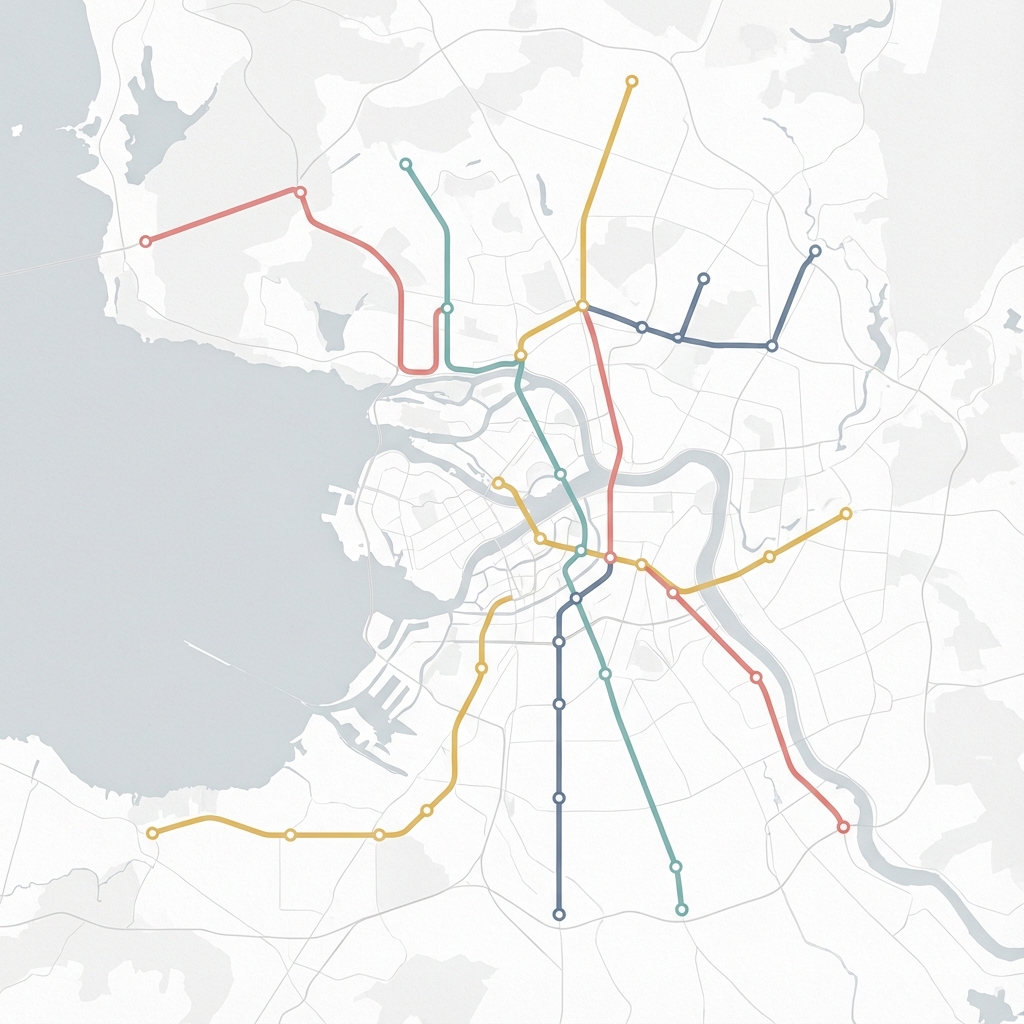
The Revised Criteria: We ranked six of the world's most iconic mass transit systems across six dimensions, adjusted for real-world utility: Scale, Ridership (Per Capita), Affordability (PPP), Utility (24/7 & Flow), Safety, and Comfort (The "Sweat Index").
The debate over "best subway" usually devolves into anecdotes about rats in NYC or the heated seats in Seoul. To settle it (or start more arguments), we've compiled the stats and built a Power Ranking model.
Each system is scored from 0-100 in each category. The overall score is the average of these six metrics.
Here is the definitive* ranking for 2025.
A data-driven power ranking of six major global transit systems based on scale, ridership, cost, efficiency, safety, and quality.
🇯🇵Tokyo Metro
Tokyo, Japan
System Profile
🇰🇷Seoul Metro
Seoul, South Korea
System Profile
🇨🇳Shanghai Metro
Shanghai, China
System Profile
🇸🇬Singapore MRT
Singapore
System Profile
🇬🇧London Tube
London, UK
System Profile
🇺🇸NYC Subway
New York City, USA
System Profile
Methodology Notes (Revised)
- Scale: Total track length and number of stations.
- Riders (Per Cap): Normalized ridership. It's not just about total volume, but how essential the system is to the population.
- Affordability (PPP): Cost adjusted for local purchasing power. Cheap fares in expensive cities score higher.
- Utility (24/7 & Flow): Does it run all night? (NYC Bonus). Is transferring a nightmare? (Tokyo Penalty).
- Safety: Crime rates and accident records.
- Comfort (The "Sweat Index"): Climate control is not optional. If the station is an oven in July, the score drops.
Rankings are subjective despite the "data" label. Your mileage may vary.